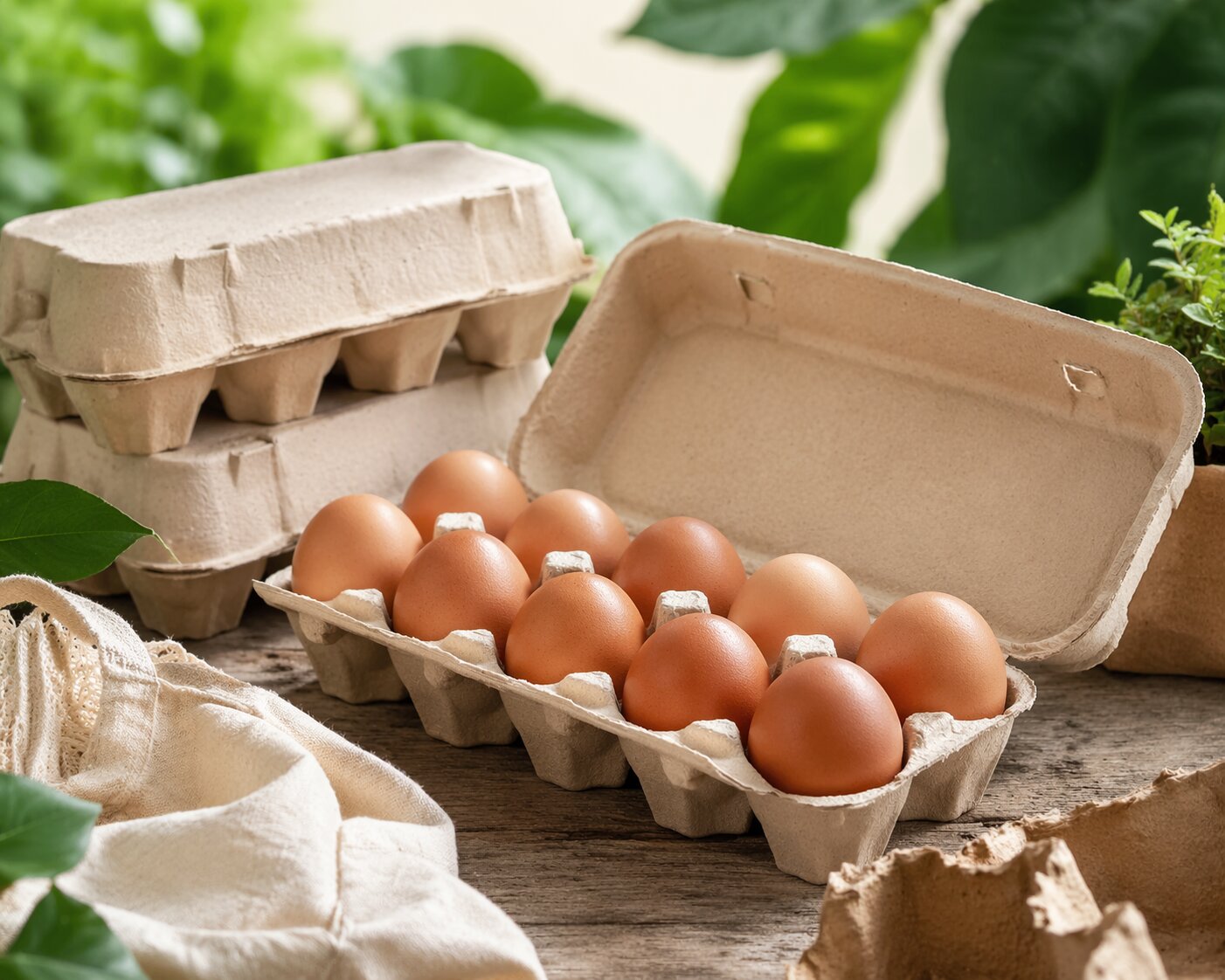
A Complete Guide to Molded Pulp Packaging and Its Sustainable Impact
As sustainability becomes a priority across industries, packaging is undergoing a major transformation. One solution gaining widespread attention is molded pulp packaging a material made primarily from recycled paper, cardboard, or natural fibers. Once associated mainly with egg cartons, molded pulp has evolved into a versatile, eco-friendly alternative to plastic packaging.
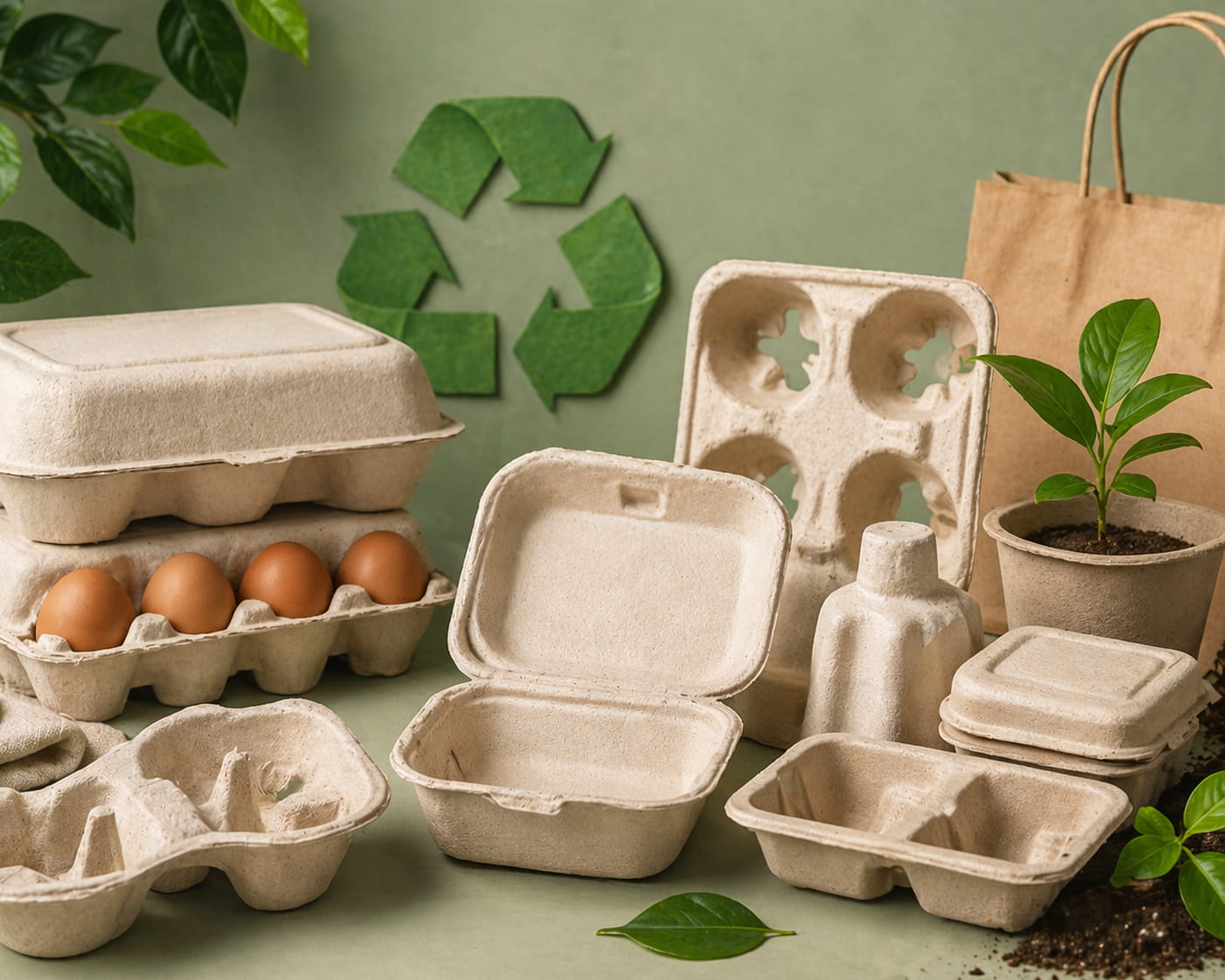
Molded pulp packaging is created by blending recycled paper fibers with water to form a slurry. This mixture is then shaped using molds, pressed, and dried to create durable packaging products. The result is a lightweight yet sturdy material that can be customized for various applications, including protective inserts, trays, containers, and clamshell packaging.
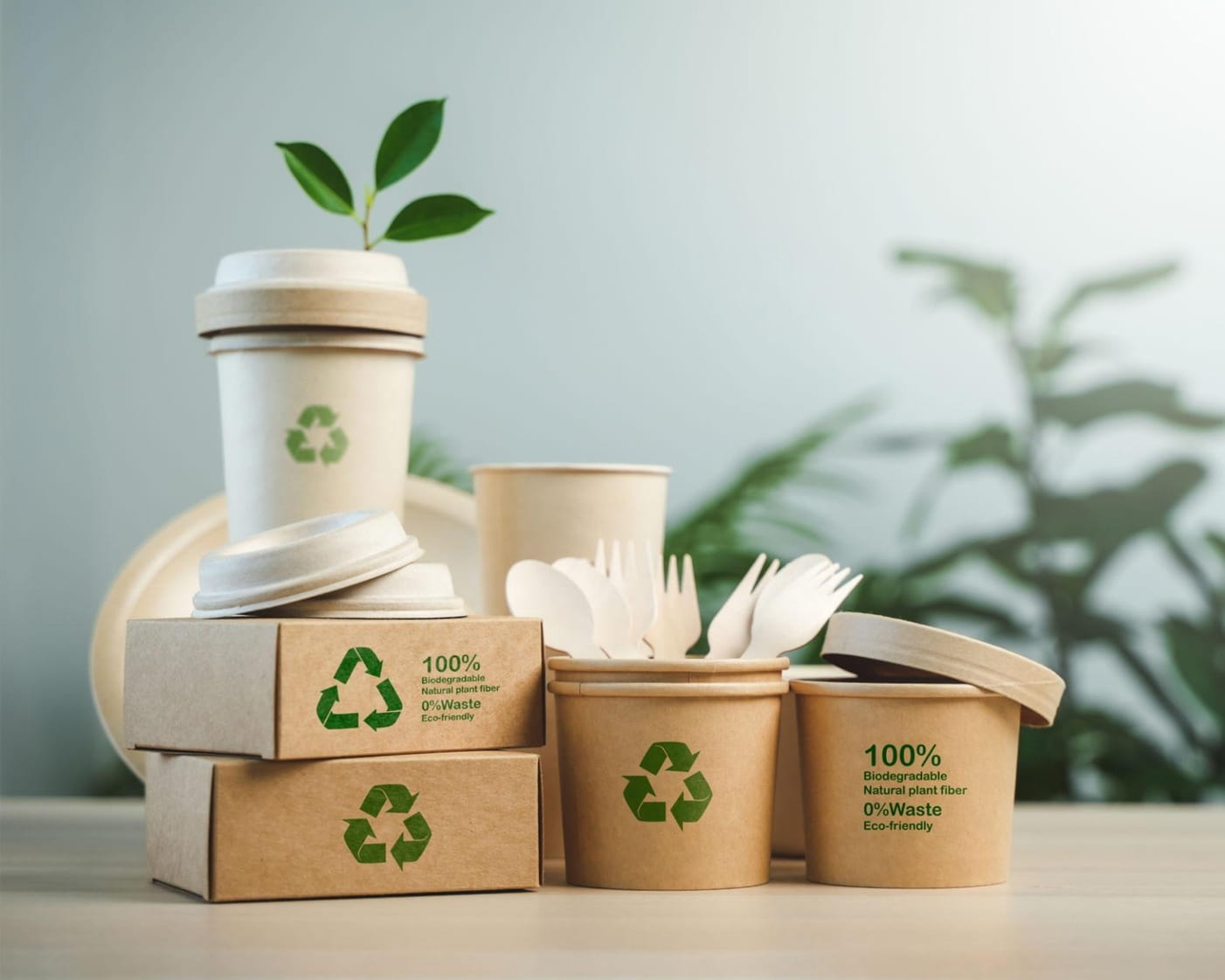
One of the biggest advantages of molded pulp packaging is its sustainability. It is typically made from recycled materials, reducing the need for virgin resources and minimizing waste. Additionally, molded pulp is biodegradable and compostable, meaning it breaks down naturally without leaving harmful residues behind. This makes it a strong alternative to plastics, which can persist in the environment for hundreds of years.
Another key benefit is its low environmental footprint during production. Compared to plastic manufacturing, molded pulp requires less energy and generates fewer greenhouse gas emissions. Many manufacturers are also adopting closed-loop water systems, further reducing water consumption and pollution. These factors contribute to a more sustainable lifecycle overall.
From a functional standpoint, molded pulp packaging offers excellent protection. Its shock-absorbing properties make it ideal for safeguarding fragile items such as electronics, glassware, and food products. The material can be molded into precise shapes, ensuring a snug fit that reduces the need for additional cushioning materials.
Cost-effectiveness is another reason businesses are turning to molded pulp. While initial tooling costs can be higher, the long-term benefits often outweigh the investment. The use of recycled materials and efficient production processes can lead to lower overall costs, especially when compared to complex plastic packaging solutions. Additionally, as demand grows, economies of scale are making molded pulp increasingly competitive.
Consumers are also driving the shift toward sustainable packaging. With rising awareness of environmental issues, many people prefer products that use eco-friendly materials. Brands that adopt molded pulp packaging can enhance their image, meet regulatory requirements, and align with consumer values, all while reducing their environmental impact.
However, molded pulp packaging is not without challenges. It may not always provide the same level of moisture resistance as plastic, which can limit its use in certain applications. Advances in coatings and treatments are addressing this issue, but they must be carefully designed to maintain recyclability and compostability.
Conclusion
Molded pulp packaging represents a significant step forward in sustainable packaging solutions. Its combination of environmental benefits, functional performance, and growing consumer appeal makes it a compelling choice for businesses looking to reduce their ecological footprint. As technology continues to improve, molded pulp is poised to play an even greater role in shaping the future of packaging.