Top Companies Offering Eco-Friendly Packaging from Renewable Materials
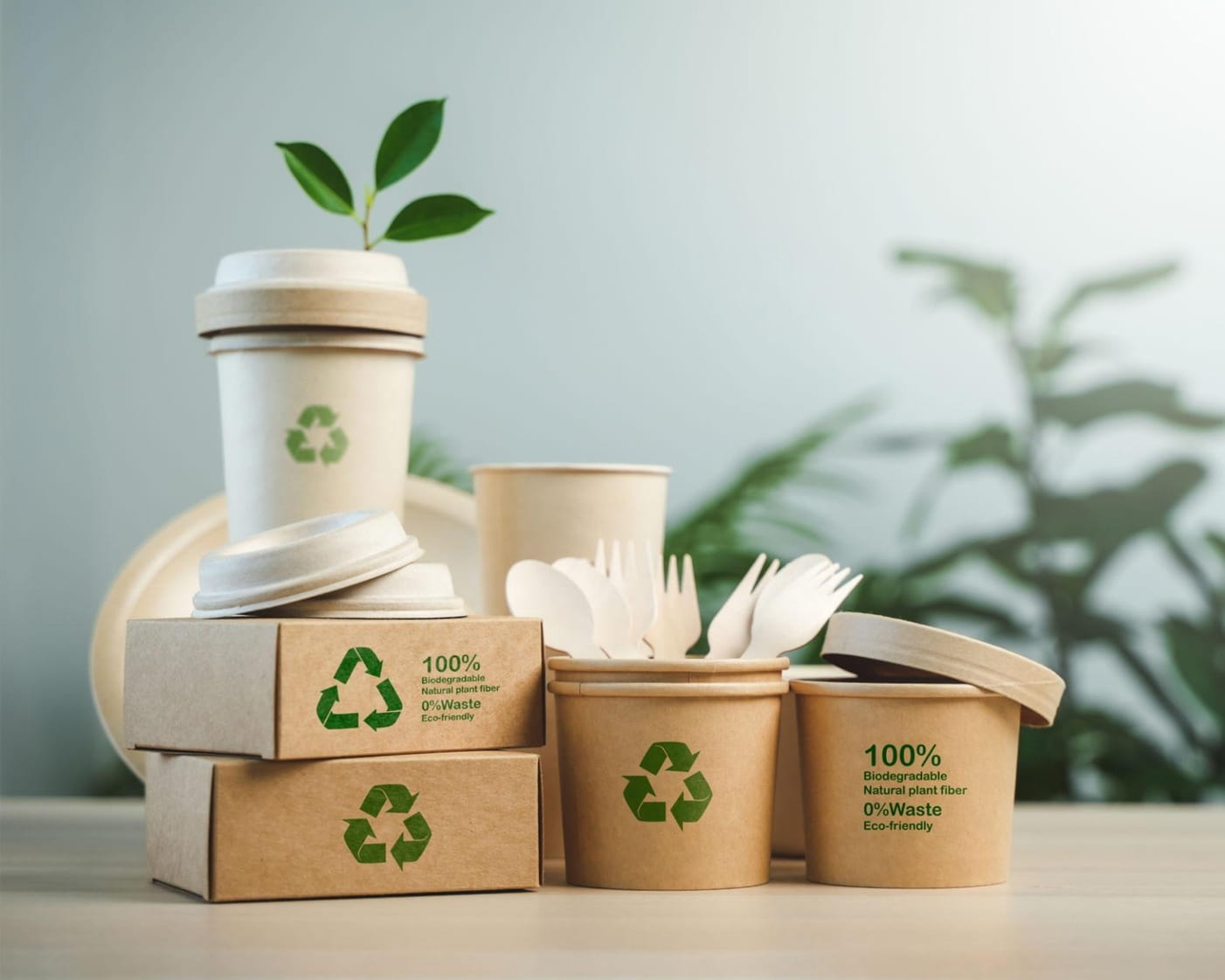
As environmental concerns reshape global industries, packaging has emerged as a critical area for innovation. Businesses and consumers alike are seeking alternatives to traditional plastic, driving demand for eco-friendly packaging made from renewable materials. From plant-based plastics to molded fiber solutions, several companies are leading the transition toward more sustainable practices.
1. Pioneers in Plant-Based Packaging
Companies like NatureWorks LLC are transforming packaging with materials derived from renewable resources such as corn starch. Their Ingeo biopolymer is widely used in food packaging, offering a compostable alternative to petroleum-based plastics. Similarly, Tetra Pak utilizes paperboard sourced from responsibly managed forests combined with plant-based polymers to create cartons that are both functional and environmentally conscious.
2. Leaders in Molded Fiber Solutions
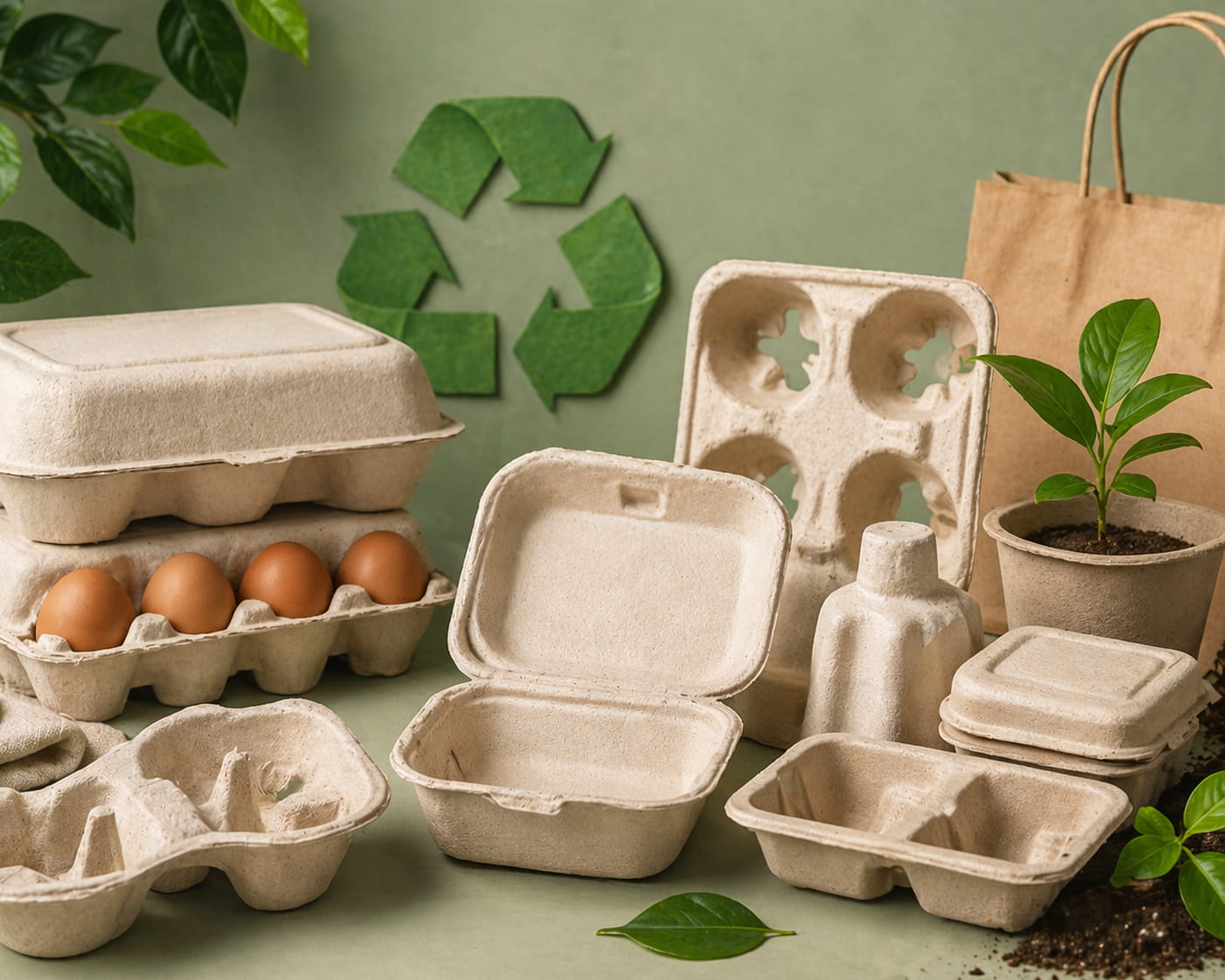
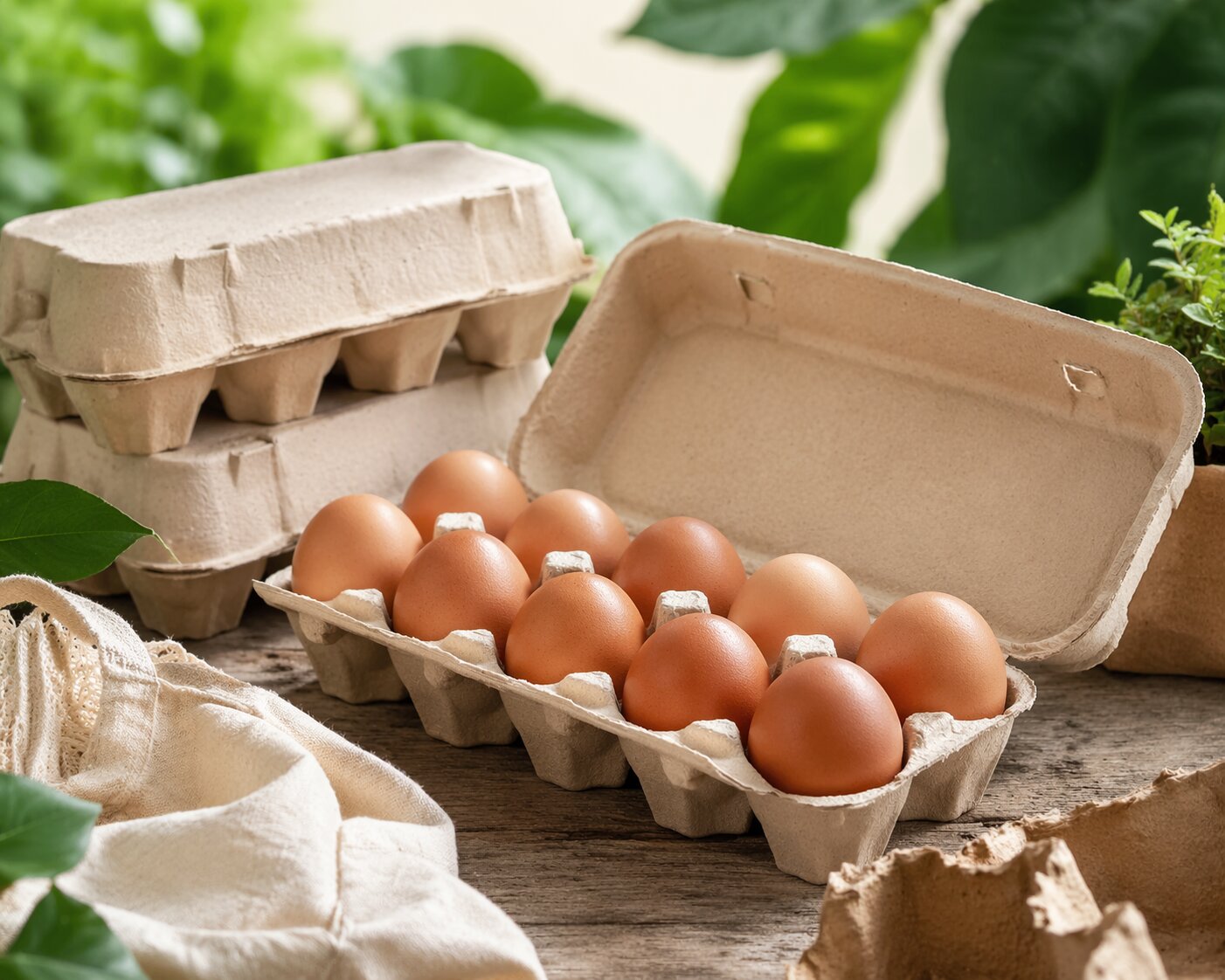
Molded fiber packaging has become a popular alternative due to its recyclability and biodegradability. Huhtamaki specializes in fiber-based packaging for food and consumer goods, using renewable raw materials to reduce environmental impact. Another key player, UFP Technologies, produces custom molded pulp solutions that provide protection while minimizing waste.
3. Innovators in Mushroom and Agricultural Waste Packaging
Some companies are exploring unconventional materials to create sustainable packaging. Ecovative Design uses mycelium the root structure of mushrooms to develop packaging that is fully compostable and grown with minimal resources. Likewise, Vegware produces packaging from plant-based materials such as sugarcane and cornstarch, offering viable alternatives for the foodservice industry.
4. Global Brands Embracing Renewable Materials
Major corporations are also investing in sustainable packaging initiatives. Unilever and Nestlé have committed to reducing their reliance on virgin plastics by integrating renewable and recyclable materials into their packaging. These efforts not only reduce environmental impact but also set industry benchmarks for sustainability.
5. Emerging Startups Driving Innovation
Startups are playing a vital role in accelerating change. Notpla creates packaging from seaweed, offering biodegradable solutions for single-use items. Meanwhile, Footprint develops fiber-based alternatives designed to replace plastic in a wide range of applications, from food containers to retail packaging.
Conclusion:
The shift toward eco-friendly packaging made from renewable materials is gaining momentum, driven by both innovation and necessity. Established companies and emerging startups alike are contributing to this transformation by developing solutions that reduce waste, conserve resources, and lower carbon footprints. As technology advances and consumer awareness grows, these companies are set to play a crucial role in shaping a more sustainable future for packaging.